

Glasgow is a city that never seems to stop. From the bustling crowds on Buchanan Street to the students rushing through the West End, everyone always seems to be on the move. With that fast-paced lifestyle comes the inevitable physical toll: stiff necks from staring at laptops, tight calves from walking the hilly streets, and that general sense of being ‘wound up’ that we all recognise. Naturally, the first thing most of us do is search for help, but finding what actually constitutes the best massage Glasgow can provide is often a bit of a minefield.
The problem isn’t a lack of options. If you walk through the city centre or Finnieston, you will see plenty of signs for spas and beauty parlours. However, there is a massive difference between a generic ‘pamper’ session and a clinical, therapeutic massage designed to actually fix a problem. Many people spend years jumping from one therapist to another, getting a pleasant enough experience but never really seeing an improvement in their chronic pain or mobility. It took me a long time to realise that the best results come from practitioners who treat massage as a science rather than just a luxury.
The difference between a spa day and clinical therapy
When you are looking for a treatment, you first need to decide what your goal actually is. Are you looking for some scented candles and soft music to help you drift off for an hour, or are you looking to address a specific injury? While both have their place, the search for the best massage Glasgow usually leads people toward clinical environments when they have persistent issues that a standard relaxation massage just won’t touch.
Clinical massage therapy involves a much deeper understanding of human anatomy. It isn’t just about rubbing muscles; it is about identifying which specific tissues are causing restricted movement or referred pain. In a clinical setting, your therapist will likely spend time assessing your posture and your range of motion before they even start the treatment. This level of detail is what separates a high-quality clinic from a high-street spa.
- Assessment: A proper therapist will ask about your medical history and lifestyle.
- Targeted Treatment: They focus on the source of the pain, not just where it hurts.
- Education: You should leave with a better understanding of why your body feels the way it does.
- Long-term results: The goal is to ensure the pain doesn’t return the moment you walk out the door.
Why sports massage isn’t just for professional athletes
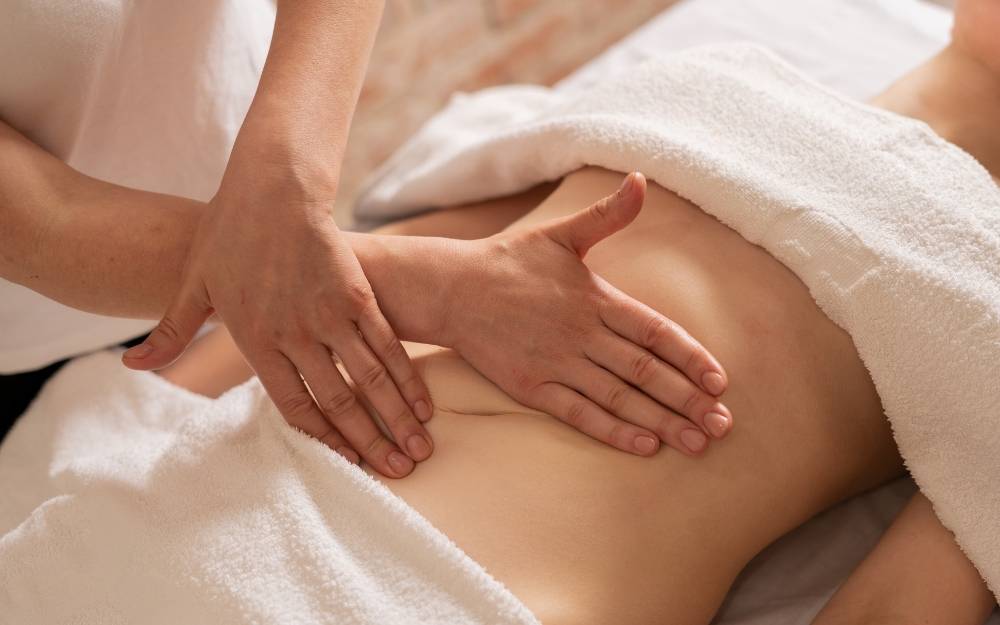
There is a common misconception that sports massage is only for people who spend their lives in the gym or running marathons. In reality, some of the people who benefit most from this type of intensive work are those who work in offices or have physically demanding jobs like nursing or construction. Sports massage is essentially a focused, deep-tissue approach that uses various techniques to manipulate soft tissue.
If you are struggling with a repetitive strain injury or chronic tension in your shoulders, a sports-focused approach is often the most effective route. It helps to break down adhesions (those ‘knots’ we all talk about) and improves blood flow to areas that have become stagnant and tight. If you are tired of generic treatments and want a practitioner who understands anatomy, finding the best massage Glasgow at Active Health Clinic is often the turning point for many people dealing with chronic issues. Their approach combines clinical expertise with a genuine understanding of how the body moves in everyday life, not just on the sports field.
What to expect from a high-quality session
If you have never had a clinical or deep tissue massage before, the experience might be a bit different from what you expect. It is rarely a ‘silent’ experience where you simply fall asleep. Instead, it is a collaborative process between you and the therapist. They will often check in on the pressure and ask you to move certain limbs or breathe into specific areas to help the muscles release.
A top-tier session usually follows a specific structure to ensure you get the most value for your time and money:
- The Consultation: Discussing your goals, whether that is injury recovery or stress management.
- Palpation: The therapist feeling the muscle tissue to identify areas of tension and dysfunction.
- Deep Tissue Work: Using various techniques like trigger point therapy or myofascial release.
- Post-treatment Advice: Suggestions for stretches or lifestyle changes to support the work done in the room.
It is also worth noting that you might feel a bit tender the next day. This is often referred to as ‘treatment soreness’ and is a completely normal part of the process as your body processes the work done on the deeper layers of muscle. It is similar to the feeling you get after a hard workout at the gym, and it usually gives way to a much greater sense of ease and mobility within 48 hours.
How to spot a clinic that actually knows what they are doing
With so many people claiming to offer the best massage Glasgow has to offer, how do you actually tell who is the real deal? You don’t want to waste your money on someone who has only done a weekend course. Look for clinics that have a reputation for clinical excellence and therapists who are fully insured and registered with professional bodies.
A good sign of a quality clinic is their focus on the ‘why’ behind your pain. If a therapist just starts rubbing your back without asking any questions, that is a red flag. A professional will want to know if you have been stressed, how you sleep, and what your desk setup looks like. They recognise that the pain in your neck might actually be coming from a problem in your mid-back or even your hips. This holistic, whole-body approach is what characterises the best practitioners in the city.
Another thing to consider is the environment. While you want it to be clean and professional, it shouldn’t feel like a cold hospital room. The best clinics strike a balance between a clinical healthcare setting and a welcoming space where you can actually relax. This helps to lower your nervous system’s ‘threat’ level, making the physical work much more effective.
Making the most of your session and what to do afterwards
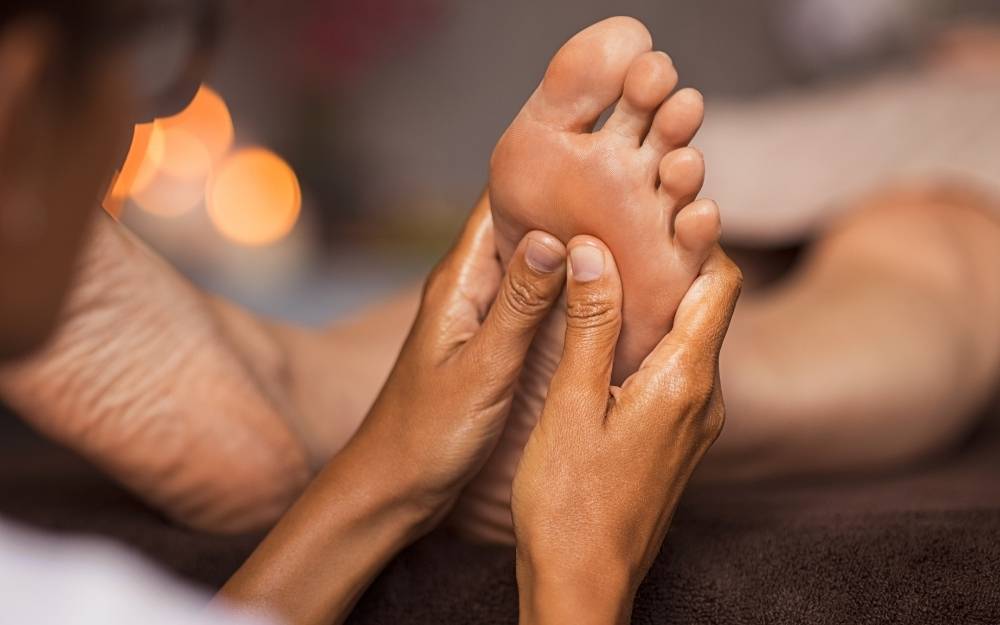
To get the most out of your treatment, there are a few things you can do both before and after you arrive at the clinic. Firstly, try to arrive a few minutes early so you aren’t rushing. If your heart rate is through the roof because you were sprinting to find a parking space, it will take much longer for your muscles to relax under the therapist’s hands.
After your session, it is vital to stay hydrated. Massage stimulates blood flow and helps to move metabolic waste through your system, so drinking plenty of water helps this process along. You should also try to avoid any strenuous exercise for the rest of the day. Give your body the chance to integrate the changes and recover. Many people find that taking a warm bath with some Epsom salts in the evening further enhances the benefits of the massage.
If you are looking for long-term improvement, remember that massage is most effective when it is part of a regular routine. While a one-off session can provide temporary relief, a series of treatments can help to ‘re-train’ your muscles and nervous system, leading to lasting changes in your posture and overall comfort levels. Whether you are dealing with a specific injury or just the general wear and tear of life in Glasgow, investing in high-quality bodywork is one of the best things you can do for your long-term health.